Almost everything you need to judge a supplement is printed on the back of the bottle. The problem is that the panel is designed to be legible to regulators, not shoppers. Here is how to read it quickly.
1. Start with serving size
A big number on the front means nothing until you know how many capsules produce it. Divide the amounts by the serving size and you have the real per-capsule dose, and the real cost per day.
2. Treat proprietary blends as a red flag
A proprietary blend lists ingredients in descending order but hides the individual amounts. That is legal, and occasionally justified, but often it exists so a formula can name an appealing ingredient while including only a small amount of it.
3. Read the other ingredients line
Magnesium stearate, stearic acid, and palmitates are flow agents that speed up manufacturing. Look for products that disclose no stearates or palmitates, and no artificial colors or flavors, if that matters to you.
4. Ask about the capsule itself
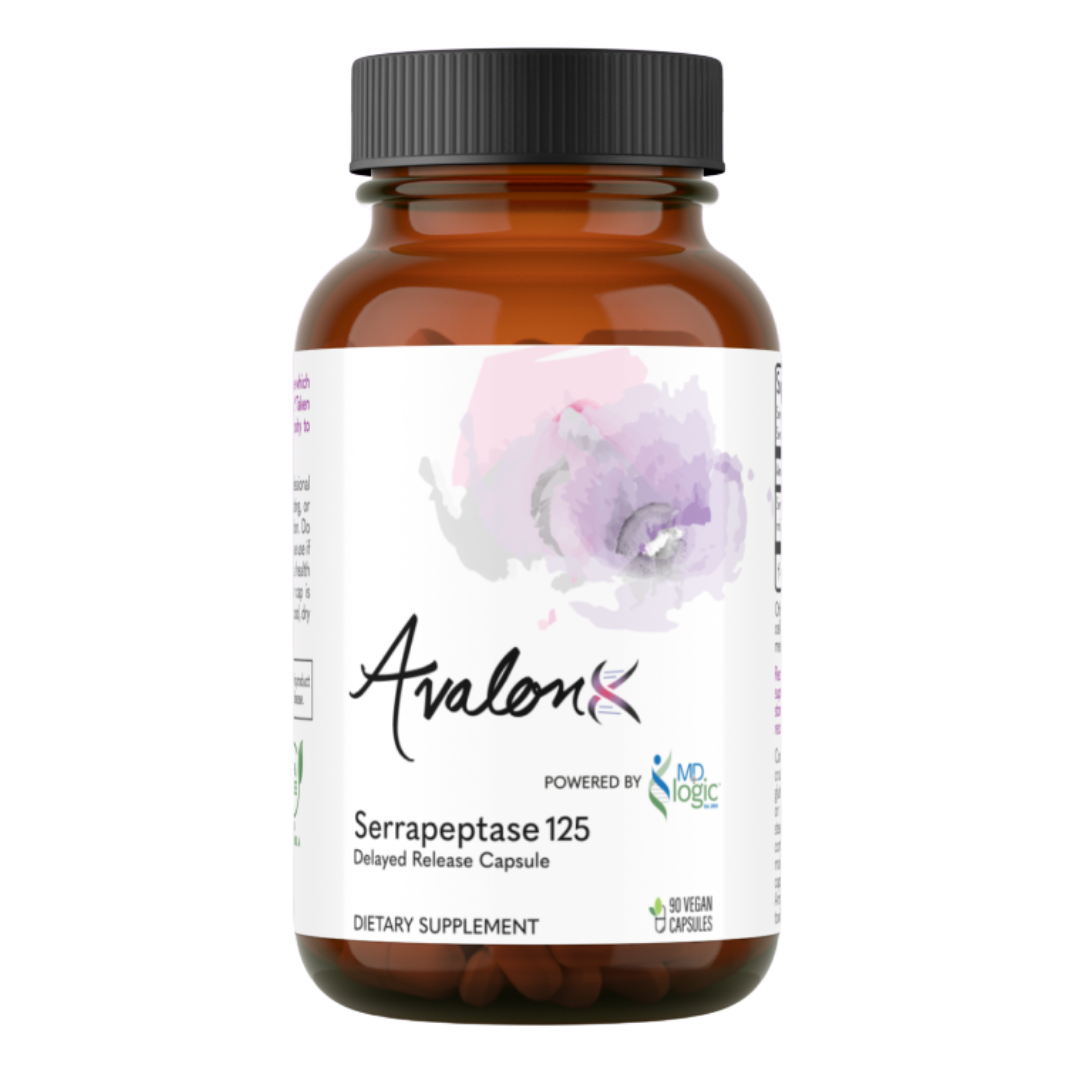
Some enteric and delayed-release coatings can contain plasticizers. If a product is delayed release, serrapeptase, for example, that question is worth asking directly.
5. Ask what has been tested
Identity, potency, heavy metals, mold. Look for brands that describe their products as Purity & Potency Tested and third-party tested for contaminants, and that manufacture in GMP-certified facilities. Those answers tell you a lot about how a brand operates.
Related products
Read next
All the good stuff. No noise.
This article is for educational purposes only and is not medical advice. Consult a qualified healthcare practitioner regarding supplements, medications, or health conditions.